
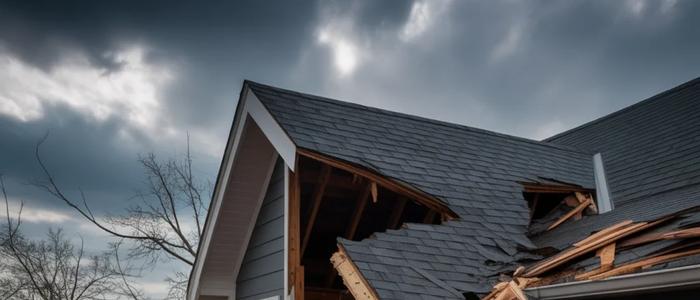
When severe weather hits, your home can face unexpected challenges, and your roof is often the first line of defense to take a hit. If your roof has been affected by strong winds, hail, or heavy rain, it’s crucial to act quickly to protect your home and prevent further damage.
A storm damaged roof can lead to leaks, weakened structural integrity, and costly repairs if not addressed promptly. Homeowners often feel overwhelmed after a storm, unsure where to start.
The good news is that taking the right steps immediately can minimize damage, safeguard your property, and even streamline insurance claims.
We’ll walk you through the essential actions to take when your roof is storm damaged, ensuring you handle the situation safely and effectively.
Ensure Safety First
- Always check for structural damage before approaching the roof to avoid falling through weakened areas after a storm.
- Keep children and pets indoors and away from the yard to prevent injuries from loose debris or unstable surfaces.
- Avoid climbing on a wet or slippery roof; even small puddles can make the surface extremely dangerous.
- Watch out for downed power lines near your home; contact the utility company before attempting any cleanup.
- Wear protective gear, such as gloves and sturdy shoes, when inspecting storm damage to reduce the risk of cuts or punctures.
- Use caution around broken tree branches or debris that could fall or shift while moving around your property.
- Never enter areas with visible sagging ceilings or ceilings with water pooling, as they may collapse suddenly.
- Ensure flashlights or portable lights are available if inspecting damage during low light to avoid trips and falls.
- Avoid using ladders on uneven or wet ground; a slip could cause serious injuries when accessing the roof.
- Have an emergency plan in place and keep phone numbers for local roofing contractors and emergency services ready.
Document the Damage
After confirming safety, start documenting the damage. Take clear, detailed photographs and videos of your roof from multiple angles. Focus on missing shingles, holes, leaks, or sagging areas.
This documentation is crucial for insurance claims, as most insurers require evidence of storm-related damage. The more thorough your records, the smoother your claim process will be.
Contact Your Insurance Company
Notify your insurance provider as soon as possible. Provide them with the photos and videos of the damage and schedule an inspection.
Be honest and detailed when describing the storm’s impact. Some policies have strict time limits for filing claims, so acting quickly ensures you don’t risk losing coverage for repairs.
Prevent Further Damage
Temporary protection is key while waiting for professional repairs. If there are leaks, cover them with tarps or waterproof sheeting. Use heavy duty nails or ropes to secure the coverings, but avoid stepping on damaged areas.
Removing debris like broken branches can also prevent additional punctures or water damage. These temporary measures can save you from more extensive repairs later.
Additional steps to consider
- Clear gutters and downspouts to prevent water backup.
- Move outdoor furniture and vehicles away from the house.
- Place buckets or containers under active leaks to catch water.
- Secure loose roof materials to prevent them from blowing away.
- Inspect attic and ceilings for hidden water damage.
- Keep a record of all temporary fixes for insurance purposes.
Avoid DIY Major Repairs
It might be tempting to climb onto your roof and fix the damage yourself, but this can be risky and may even void insurance claims. Storm damaged roofs can be unstable, and improper repairs can make the problem worse.
Leave the major repair work to licensed roofing contractors who have the tools, experience, and safety equipment to handle storm damage efficiently.
Hire a Professional Roofing Contractor
Finding a qualified contractor is crucial. Look for local roofing companies with experience in storm damage repair and excellent customer reviews.
A professional inspection will identify hidden damage, such as compromised underlayment, structural weakness, or water damage inside the attic.
Ask for written estimates and timelines, and ensure they’re licensed and insured. A trusted contractor will not only repair your roof but also help you navigate insurance paperwork.
Tips when hiring a contractor:
- Verify references and past project photos to ensure quality work.
- Confirm the contractor has proper liability and workers’ compensation insurance.
- Ask about warranties on both materials and labor.
- Request a clear timeline for repairs to manage expectations.
- Ensure the contractor follows safety protocols during the repair process.
- Check if they provide emergency services in case of worsening leaks.
Monitor and Maintain Your Roof
Once your roof has been repaired, regular maintenance is key to prolong its life and prevent future storm damage.
Inspect your roof after every major weather event, clean gutters regularly, and trim overhanging branches that could damage shingles in high winds. Maintaining a proactive approach can save thousands in emergency repairs and extend your roof’s lifespan.
Tips: Storm-Proofing Your Roof
- Reinforce Weak Spots: Consider adding extra bracing or impact-resistant shingles if your area is prone to storms.
- Invest in Roof Coatings: Reflective or waterproof coatings can provide an additional layer of protection against harsh weather.
- Keep Emergency Supplies: Store tarps, heavy-duty nails, and a ladder for quick response in future storms.
Frequently Asked Questions
How soon should I file a storm damage claim?
It’s best to contact your insurance company immediately, ideally within 24-48 hours. Early reporting ensures faster inspections and reduces the risk of further damage not being covered.
Can I repair my roof myself after a storm?
Minor temporary fixes like tarping leaks are okay, but major repairs should always be handled by licensed contractors to avoid safety hazards and ensure insurance coverage.
How can I tell if my roof is storm damaged?
Look for missing shingles, cracks, dents from hail, leaks in the attic, water stains on ceilings, or sagging areas. Even small signs can indicate serious underlying damage.
What should I do if the storm caused interior water damage?
Immediately remove wet items, place buckets under leaks, and contact your contractor and insurance company. Water damage can lead to mold if not addressed promptly.
How can I prevent future storm damage?
Regular maintenance, trimming overhanging branches, upgrading to impact-resistant shingles, and installing proper roof coatings are effective preventive measures.
Final Thoughts
Experiencing a storm damaged roof can be overwhelming, but knowing the right steps to take immediately can make all the difference. Prioritize safety first and avoid climbing onto a roof that may be unstable.
Document all damage carefully with photos and videos, and contact your insurance company without delay. Temporary measures, like tarping leaks and removing debris, can prevent further damage while you wait for professional help.
Hiring a licensed and experienced roofing contractor ensures that hidden issues such as weakened underlayment or structural damage are properly addressed.
By acting quickly and staying proactive, you can protect your home, minimize repair costs, and ensure your roof remains strong long after it has been storm damaged.