
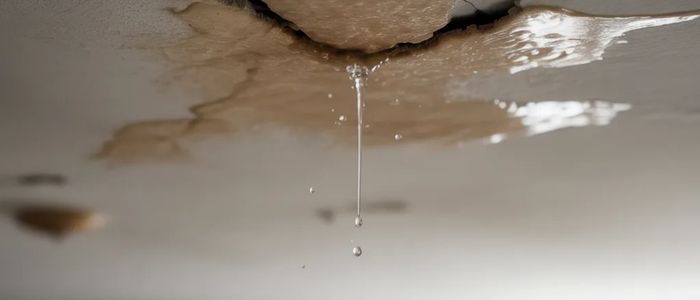
A sudden roof leaking situation can instantly turn a comfortable home into a stressful mess. Water dripping through ceilings, walls, or attics is not just inconvenient it can cause serious damage to your home’s structure, furniture, and personal belongings.
Many homeowners feel panic the moment they notice a leak, but knowing the right steps to take immediately can prevent further destruction and even save money on repairs.
Acting quickly and efficiently is key, whether the leak is small and manageable or rapidly worsening. We’ll walk you through exactly what to do first when your roof leaking problem starts, including safety measures, temporary fixes, and the critical steps to minimize damage until professional help arrives.
Step 1: Ensure Safety First
Your safety is the top priority. Water can make ceilings collapse, create slippery surfaces, and even bring electrical hazards if it reaches wiring or appliances.
- Avoid standing under the leak.
- Move furniture, electronics, and valuables out of the affected area.
- If water is near electrical outlets or appliances, turn off electricity to prevent shocks.
Step 2: Contain the Leak
Once everyone is safe, it’s time to minimize water damage.
- Place buckets, pans, or large containers directly under the dripping area.
- Use towels or rags to soak up excess water, preventing it from spreading.
- If the leak is from a ceiling, gently poke a small hole in a bulging area of plaster to allow water to drain safely—this prevents sudden ceiling collapse.
Step 3: Protect Your Belongings
Water can ruin furniture, rugs, electronics, and other personal items very quickly, so protecting your belongings is crucial. Start by:
- Moving furniture and electronics away from the affected area to prevent water damage and short circuits.
- Elevating smaller items on tables or shelves if moving them completely isn’t possible.
Next, safeguard larger and more vulnerable possessions:
- Cover sofas, beds, and other large furniture with plastic sheets or tarps to minimize moisture absorption.
- Lift carpets or rugs and allow them to dry outside if possible, or roll them up to prevent mold and mildew growth.
- Remove delicate items, like books, photos, and clothing, to a safe, dry location.
Step 4: Temporary Roof Fixes
While waiting for professional help, a temporary fix can prevent further damage:
- Tarp it: If it’s safe to access the roof, cover the leaking section with a waterproof tarp and secure it.
- Seal minor cracks: Roofing tape or sealant can provide short-term protection from rain.
- Don’t climb during storms: Never risk your safety during heavy rain or wind.
Step 5: Call a Professional Immediately
Even if you apply temporary fixes, a roof leak requires a professional inspection and repair. Experienced roofing contractors can:
- Identify the source of the leak, which may not be visible.
- Assess underlying damage to prevent mold and structural issues.
- Provide permanent repairs to restore your roof’s integrity.
When you contact a roofer, provide as much detail as possible: location of the leak, weather conditions, and any temporary fixes you applied. This helps them arrive prepared and address the problem efficiently.
Step 6: Document the Damage
For insurance purposes, take clear photos and videos of the leak and any damage it has caused. This includes water stains, bulging or warped ceilings, soaked floors, and damaged walls.
Don’t forget to capture personal belongings that were affected, such as furniture, electronics, and rugs. Also, record any temporary fixes you applied, like buckets, towels, or tarps.
Detailed documentation helps insurance companies understand the full extent of the damage and speeds up claim approval, ensuring you receive the compensation you need for repairs.
The more thorough your records, the easier it will be to provide evidence of loss and avoid delays or disputes during the insurance process.
Step 7: Prevent Future Leaks
Once your roof is repaired, it’s essential to take proactive steps to prevent future emergencies and protect your home. Start by:
- Scheduling regular roof inspections, especially after heavy storms or extreme weather, to catch potential issues early.
- Cleaning gutters and downspouts regularly to avoid water buildup, which can weaken roofing materials and cause leaks.
Next, focus on maintaining the roof’s structural integrity:
- Replace missing, cracked, or worn shingles promptly to prevent water penetration.
- Check flashing around chimneys, vents, and skylights for signs of looseness or damage.
- Trim overhanging tree branches to reduce debris accumulation and avoid physical damage.
By following these steps, you extend your roof’s lifespan, reduce leak risks, and minimize costly emergency repairs.
Frequently Asked Questions
Can I safely stay under a leaking roof?
No, staying under a leaking roof is unsafe. Water accumulation can weaken ceilings and cause sudden collapse, especially if plaster or drywall bulges.
Additionally, leaks near electrical wiring create a serious shock hazard. Move to a safe area immediately, keep children and pets away, and contain water in buckets or containers to prevent further property damage.
How do I know if the leak is urgent?
A leak is urgent if water is dripping quickly, spreading across ceilings, or reaching electrical outlets. Even small leaks can worsen over time, causing structural damage, mold growth, and higher repair costs if left untreated. Prompt action is crucial.
Can I fix a roof leak myself?
You can attempt temporary fixes like placing a tarp, applying roofing tape, or sealing minor cracks, but permanent repairs require professional expertise.
Roofing contractors can identify hidden sources of leaks, address structural issues, and prevent mold. DIY fixes may help short-term but are rarely a long-term solution.
What costs should I expect for emergency roof repair?
Emergency roof repair costs vary widely based on damage severity, roof type, materials, and labor. Minor leaks may be inexpensive, but extensive damage or complex repairs can cost hundreds or thousands of dollars. Getting a professional estimate is essential to plan repairs efficiently.
How long can I wait before calling a roofer?
Don’t wait to call a roofer. Water can cause ceiling sagging, insulation damage, warped floors, and mold within hours. Even small leaks grow worse over time.
Contacting a professional immediately ensures a timely inspection, temporary mitigation, and permanent repair to protect your home and belongings.
Final Thoughts
A sudden roof leak can be stressful, but knowing exactly what to do first can make all the difference. Prioritizing safety, containing the water, protecting your belongings, and calling a professional immediately are the key steps to minimize damage.
Temporary fixes like tarps or sealant can help, but only an experienced roofer can provide a lasting solution. Documenting the damage for insurance purposes and planning preventive maintenance afterward ensures your home stays protected in the future.
Remember, even small leaks can escalate quickly, so acting quickly and calmly is essential. By staying prepared and following these steps, you can safeguard your home, prevent costly repairs, and regain peace of mind, even during an unexpected roof emergency.