
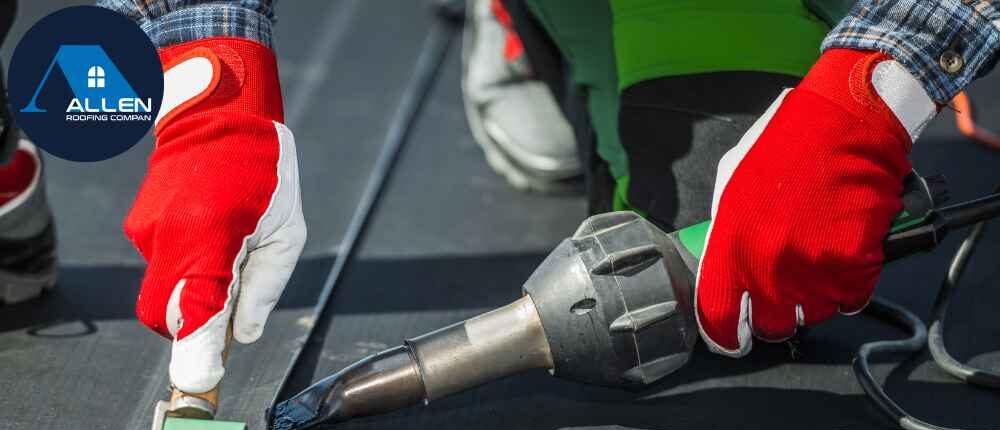
For commercial and low slope residential properties, EPDM (ethylene propylene diene monomer) roofing has become a highly reliable and trusted solution.
Known for its synthetic rubber composition, EPDM offers exceptional durability, weather resistance, and ease of installation.
Its long lifespan, which can reach 25–30 years with proper maintenance, makes it a cost-effective alternative to traditional roofing materials.
EPDM is lightweight, easy to repair, and can withstand extreme temperature variations, hail, and UV exposure.
Available in black, gray, or white, it also provides energy efficiency benefits, with white membranes reflecting heat in hot climates.
Whether used on commercial buildings, garages, or flat residential roofs, EPDM delivers consistent performance, making it a top choice for property owners seeking a low-maintenance, high-performing roofing solution.
What Makes EPDM Roofing Ideal
EPDM roofing is a durable, flexible, and cost-effective solution for buildings. Its single-ply rubber membrane resists UV, ozone, and weather damage while supporting multiple installation methods, low maintenance, and even rooftop features like gardens or solar panels.
Fully Adhered System
The fully adhered system bonds EPDM directly to insulation with adhesive, creating a secure, seamless roof. This method offers superior wind resistance and long-term performance, making it ideal for high-demand applications.
Its continuous attachment reduces leak risks and maximizes the lifespan of the roofing membrane, ensuring reliable protection over decades.
Mechanically Attached System
Mechanically attached EPDM involves fastening sheets with screws or plates through the membrane. This method is flexible, lightweight, and suitable for many building sizes.
It allows for efficient installation, easy repairs, and accommodates both reinforced and non-reinforced membranes, providing a cost-effective and practical solution for flat or low-slope roofs.
Ballasted System
Ballasted EPDM roofs use loose-laid sheets held in place with stones or pavers. This approach is cost-efficient, fast to install, and ideal for large commercial projects or new construction.
While it adds some weight, it avoids adhesives or fasteners, and proper installation ensures a durable, weather-resistant roof for long-term protection.
Key Benefits of EPDM Roofing
- Long Lifespan: Lasts up to 30 years with proper care, making it a cost-effective option.
- Weather Resistance: Protects against UV rays, hail, and extreme temperatures.
- Energy Efficiency: White membranes reflect heat; black membranes absorb warmth in colder climates.
- Low Maintenance: Few seams reduce potential leak points, and minor damage is easily repaired.
- Versatile Installation: Fully adhered, mechanically attached, and ballasted systems accommodate different structures.
- Lightweight: Reduces load on roof decks compared to heavy materials like tar or tile.
- Eco-Friendly: EPDM is recyclable and produced with minimal environmental impact.
- Adaptable: Can support rooftop features like solar panels or gardens.
EPDM Roofing Installation Methods
EPDM can be installed using three primary methods, each with specific advantages: fully adhered, mechanically attached, and ballasted.
Fully adhered systems create a permanent bond to insulation for high durability and wind resistance. Mechanically attached systems are versatile and cost-effective, suitable for most roof sizes.
Ballasted systems are fast, affordable, and ideal for large flat areas, with EPDM held in place by stones or pavers. Proper installation and sealing of seams are critical to prevent leaks and ensure maximum longevity, regardless of the method chosen.
White vs Black EPDM
EPDM roofing comes in white and black options. White reflects sunlight, keeping buildings cooler, while black absorbs heat, reducing energy costs in colder climates.
Both maintain durability, flexibility, and water resistance. Color selection depends on climate, building use, and energy efficiency priorities.
White EPDM
White EPDM membranes use titanium dioxide to reflect UV rays, reducing heat gain on roofs. This helps lower cooling costs in warmer climates and improves overall energy efficiency.
The reflective coating also protects the roof from UV degradation while maintaining flexibility and long-term performance.
Black EPDM
Black EPDM absorbs sunlight, warming the roof and reducing heating costs in cooler climates. This color helps extend the roof’s lifespan by keeping the membrane pliable in low temperatures. Black EPDM is ideal where heat retention is needed and works well for energy-efficient roofing strategies.
Cost Considerations for EPDM Roofing
EPDM roofing ranges from $4 to $12 per square foot, depending on material type, color, and installation method.
Ballasted systems typically fall on the lower end, mechanically fastened systems are mid-range, and fully adhered systems are the most expensive due to labor and adhesive costs.
White EPDM membranes add to the material cost due to the reflective coating. Compared to other flat roofing options, EPDM is cost-competitive, offering long-term savings due to durability, minimal maintenance, and ease of repair.
Its combination of performance, versatility, and affordability makes it an attractive choice for commercial and residential flat roofs.
EPDM Roof Maintenance Tips
Routine inspections every spring and fall help maintain EPDM roof performance. Check for:
- Seams and adhesive condition
- Punctures or tears
- Debris accumulation
- Ponding water
- Insulation saturation
Prompt repairs prevent minor damage from becoming extensive. Cleaning the surface periodically and minimizing foot traffic also prolongs roof life. A well-maintained EPDM roof can easily surpass 25 years while providing reliable protection.
EPDM Roofing Comparison Table
| Feature | EPDM | PVC | TPO | Modified Bitumen | Tar & Gravel |
|---|---|---|---|---|---|
| Lifespan | 25–30 yrs | 20–25 yrs | 20–25 yrs | 20–25 yrs | 20–30 yrs |
| Durability | High | Moderate | High | High | Moderate |
| Flexibility | Excellent | Moderate | Moderate | Moderate | Low |
| Repair Ease | Easy | Moderate | Moderate | Moderate | Difficult |
| Cost/sq ft | $4–$12 | $7–$10 | $6–$11 | $5–$10 | $3–$8 |
| Energy Efficiency | High (with color choice) | High | Moderate | Moderate | Low |
FAQs
How long does EPDM roofing last?
EPDM roofing typically lasts between 25 and 30 years when properly installed and maintained. Regular inspections, cleaning, and prompt repairs can extend its lifespan even further, ensuring long-term durability, water resistance, and performance for both residential and commercial roofs.
Can EPDM be installed on residential roofs?
Yes, EPDM is suitable for residential applications with flat or low-slope roofs. It works well on garages, porches, home extensions, and small flat roof sections, providing flexibility, water resistance, and long-lasting protection without the weight or complexity of traditional roofing systems.
What are the main installation methods?
EPDM can be installed in three ways. Fully adhered systems glue the membrane to insulation for maximum durability. Mechanically attached systems fasten sheets with screws or plates. Ballasted systems use stones or pavers to hold the membrane in place, ideal for large roofs.
Is white or black EPDM better?
White EPDM reflects sunlight, keeping buildings cooler and reducing air conditioning costs during hot months. Black EPDM absorbs solar heat, helping reduce heating expenses in colder months. The choice depends on seasonal climate, energy efficiency goals, and the intended use of the building.
Final Thoughts
For property owners, EPDM roofing offers a long-lasting, flexible, and energy-efficient solution for commercial and low-slope residential buildings.
Its single-ply rubber membrane provides excellent weather resistance, minimal maintenance, and ease of repair. With multiple installation options and color choices to suit local climate needs, EPDM is both practical and cost-effective.
Proper installation and routine maintenance can maximize its lifespan, helping buildings stay protected for decades while delivering energy savings.
Its durability, adaptability, and eco-friendly characteristics make EPDM a smart investment for any roofing project, whether for a new build or a roof replacement.