
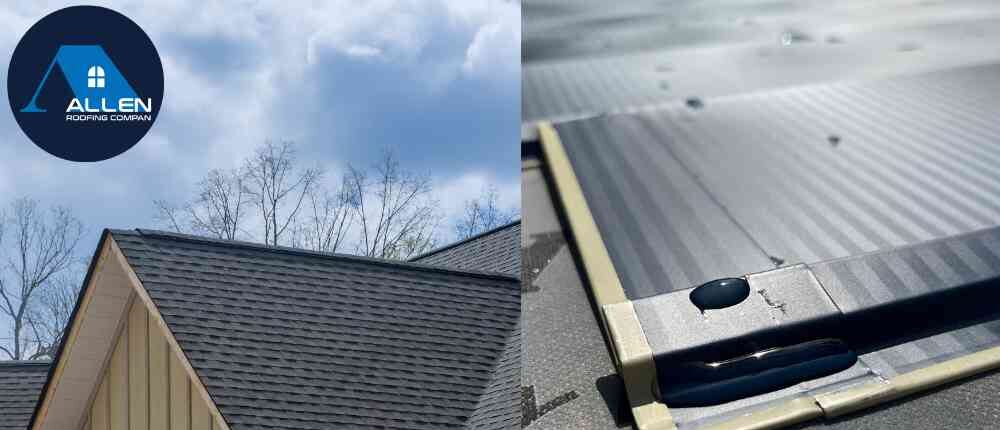
When choosing between asphalt shingles and metal roofing, homeowners face a critical decision that impacts cost, durability, and long-term value.
Asphalt shingles dominate residential roofs due to their affordability and ease of installation, typically lasting 20-30 years with proper care.
Metal roofing, however, offers superior longevity of 40-70 years, excelling in harsh weather while reflecting heat for energy savings.
Both materials have distinct pros and cons: shingles provide budget-friendly versatility, while metal delivers unmatched resilience against fire, wind, and pests. Factors like climate, budget, and maintenance preferences guide the choice.
This article compares key aspects cost, lifespan, installation, and performance to help you decide which option best suits your home’s needs for protection and investment return. Understanding these differences ensures a smarter roofing decision.
Overview of Roofing Materials
Asphalt shingles dominate North American homes for their affordability and versatility, composed of asphalt-coated fiberglass with granules for UV protection.
They install quickly on standard pitches but require vigilance against weathering. Metal roofing, crafted from durable alloys, stands out for resilience and modern aesthetics, adapting to panels or shingle mimics.
While shingles blend seamlessly in suburbs, metal elevates energy performance and longevity, appealing to forward-thinking owners.
Both demand quality underlayment, yet metal’s precision fit prevents common failures like leaks. This foundational understanding sets the stage for deeper comparisons on cost, durability, and suitability.
What You Need to Know
Asphalt shingles use fiberglass mats coated in asphalt and granules for lightweight protection across climates, though they degrade under UV, wind, or hail.
Metal roofing features steel, aluminum, copper, or zinc panels prized for weather resistance, recyclability, and energy efficiency via heat reflection.
Steel
Versatile and galvanized against rust, steel suits general use across climates with various finishes. Strong yet affordable compared to premium metals, it handles everyday weather reliably while offering customizable aesthetics for residential or commercial applications. Proper coating prevents long-term corrosion.
Aluminum
Lightweight and naturally corrosion-resistant, aluminum excels in coastal or humid regions threatened by saltwater.
It resists pitting and maintains integrity without heavy maintenance, making it ideal for harsh environments where durability outweighs initial costs over decades of service.
Copper
Extremely durable, copper develops a protective patina for the longest lifespan, perfect for high-end or historic homes.
Despite premium pricing, its natural aging enhances beauty and weatherproofing, ensuring minimal upkeep and timeless appeal for architectural excellence.
Zinc
Eco-friendly and self-healing, zinc forms a patina for sustainable, long-term protection in green projects.
It repairs minor scratches naturally, resists corrosion without coatings, and supports environmental goals through recyclability and longevity in diverse climates.
Pros and Cons
Pros of Metal Roofing:
- Exceptional lifespan of 40-70+ years reduces replacement frequency.
- High durability resists wind, hail, fire, pests, and heavy snow.
- Energy-efficient by reflecting heat, lowering cooling bills.
- Low maintenance; occasional cleaning suffices.
- Eco-friendly, recyclable, and often made from recycled content.
- Boosts resale value with premium appeal.
Pros of Asphalt Shingles:
- Lower upfront costs make them accessible for budgets.
- Easy, quick installation cuts labor expenses.
- Wide color and style variety blends with neighborhoods.
- Simple repairs replace individual shingles affordably.
- Good mold resistance with overlapping design.
- Readily available at most suppliers.
Cons of Metal Roofing:
- Higher initial investment, often 2-3 times shingles.
- Louder during rain without insulation.
- Prone to denting from severe hail.
- Requires specialized installers.
Cons of Asphalt Shingles:
- Shorter 20-30 year lifespan demands replacements.
- Vulnerable to cracking, granule loss, and storm damage.
- Higher long-term costs from frequent upkeep.
- Absorbs heat, raising energy bills.
Cost Comparison
Upfront costs favor asphalt shingles at $3-$10 per square foot installed, versus metal’s $8-$30 per square foot depending on material and style.
For a 2,000 sq ft roof, shingles range $6,000-$20,000, while metal hits $16,000-$60,000. Labor comprises 60% for both, but metal’s complexity raises it.
Over 50 years, metal often proves cheaper: one installation versus 2-3 shingle replacements, plus savings on energy and repairs. Shingles suit short-term ownership; metal excels long-term.
Factor in tear-off fees ($1-2/sq ft), permits ($50-$500), and deck repairs ($2-5/sq ft). Energy rebates or insurance discounts for metal can offset expenses.
Durability and Weather Performance
Metal roofing outperforms asphalt in extreme conditions. It withstands winds up to 140 mph, sheds snow easily, and resists fire, pests, and impacts better.
Hail may dent metal cosmetically, but structural integrity holds. Asphalt shingles handle moderate weather but suffer granule loss, cracking from UV/heat, and blow-offs in storms. Ice dams form more readily, risking leaks.
In hot climates, shingles fade and warp; metal reflects heat. Cold areas see metal retain warmth unpainted. Both need inspections, but metal requires less intervention.
Premium shingles achieve Class 4 impact ratings, yet metal’s non-combustible Class A rating edges ahead for wildfires.
Maintenance Requirements
Metal roofs need minimal upkeep compared to asphalt shingles, focusing on prevention over frequent fixes. Asphalt demands regular attention to combat wear from weather and time.
Metal Roofing Maintenance
Inspect annually for debris or loose fasteners; clean gently with a hose. Recoat paint every 5-10 years to avoid fading. Repairs, though rare, cost $800-$2,500 but preserve long-term integrity with little effort.
Asphalt Shingle Maintenance
Check biannually for granule loss, cracks, or algae growth. Clean moss at $0.20-$0.70 per square foot and seal gaps promptly. Repairs range $300-$1,000 and occur often after storms, raising ongoing costs.
Ideal Use Cases
- Choose metal roofing if: You face harsh weather, prioritize longevity, seek energy savings, or plan long-term ownership. Ideal for steep roofs, wildfires, or high winds.
- Choose asphalt shingles if: Budget limits upfront spending, you sell soon, prefer quick installs, or match neighborhood aesthetics. Best for simple designs and moderate climates.
- Hybrid option: Treat shingles with bio-oil for 5-15 extra years, narrowing the gap for cost-conscious owners.
- Other factors: Verify HOA rules; metal may need approval.
Cost & Performance Comparison
This table summarizes key metrics for a typical 2,000 sq ft roof.
| Feature | Asphalt Shingles | Metal Roofing |
|---|---|---|
| Upfront Cost | $6,000–$20,000 | $16,000–$60,000 |
| Lifespan | 20–30 years | 40–70+ years |
| Maintenance | Medium; frequent repairs | Low; occasional cleaning |
| Energy Efficiency | Medium; absorbs heat | High; reflects solar |
| Durability | Prone to wind/hail | High; fire/wind resistant |
| Sustainability | Low; landfill waste | High; recyclable |
FAQs
Is metal roofing louder than asphalt shingles?
No, when installed with proper insulation and underlayment, metal roofs are nearly as quiet as asphalt shingles during rain or hail.
The difference is minimal around 8 decibels thanks to plywood sheathing and attic space that effectively deaden sound for comfortable indoor living.
Which is better for resale value?
- Metal roofing boosts long-term property value by 1-6% through durability and premium appeal.
- New asphalt shingles enhance short-term curb appeal and buyer confidence for quick sales.
Are metal roofs worth the higher cost?
Yes, for homeowners planning 50+ years of ownership. Savings from fewer replacements, lower energy bills, and minimal repairs offset the upfront expense, delivering strong return on investment over decades.
How do warranties compare?
Asphalt shingles typically offer 15-30 year warranties, covering defects and wind resistance. Metal roofs provide 30-50 years or lifetime material coverage, reflecting superior longevity and manufacturer confidence in performance.
Final Thoughts
Asphalt shingles offer immediate affordability and simplicity, ideal for budgets or short-term homes, but frequent replacements inflate lifetime costs.
Metal roofing demands more upfront but delivers enduring value through durability, efficiency, and minimal upkeep perfect for severe climates or legacy investments.
Weigh your timeline, weather risks, and priorities: short ownership favors shingles; longevity favors metal. Consult certified pros for inspections and quotes to match your roof’s pitch, size, and style.
With informed choices, either elevates protection while enhancing appeal opt for quality installation to maximize benefits and avoid pitfalls.